The 11th Study Visit to Japan (2025) By Mr. Wichai Nonthakan Senior Professional Level Director, Ban Klong Manao School Under the Primary Educational Service Area Office Sakaeo, Zone 2
The 11th Study Visit to Japan (2025)
By Mr. Wichai Nonthakan Senior Professional Level Director Ban Klong Manao School Under the Sakaeo Primary Educational Service Area Office 2
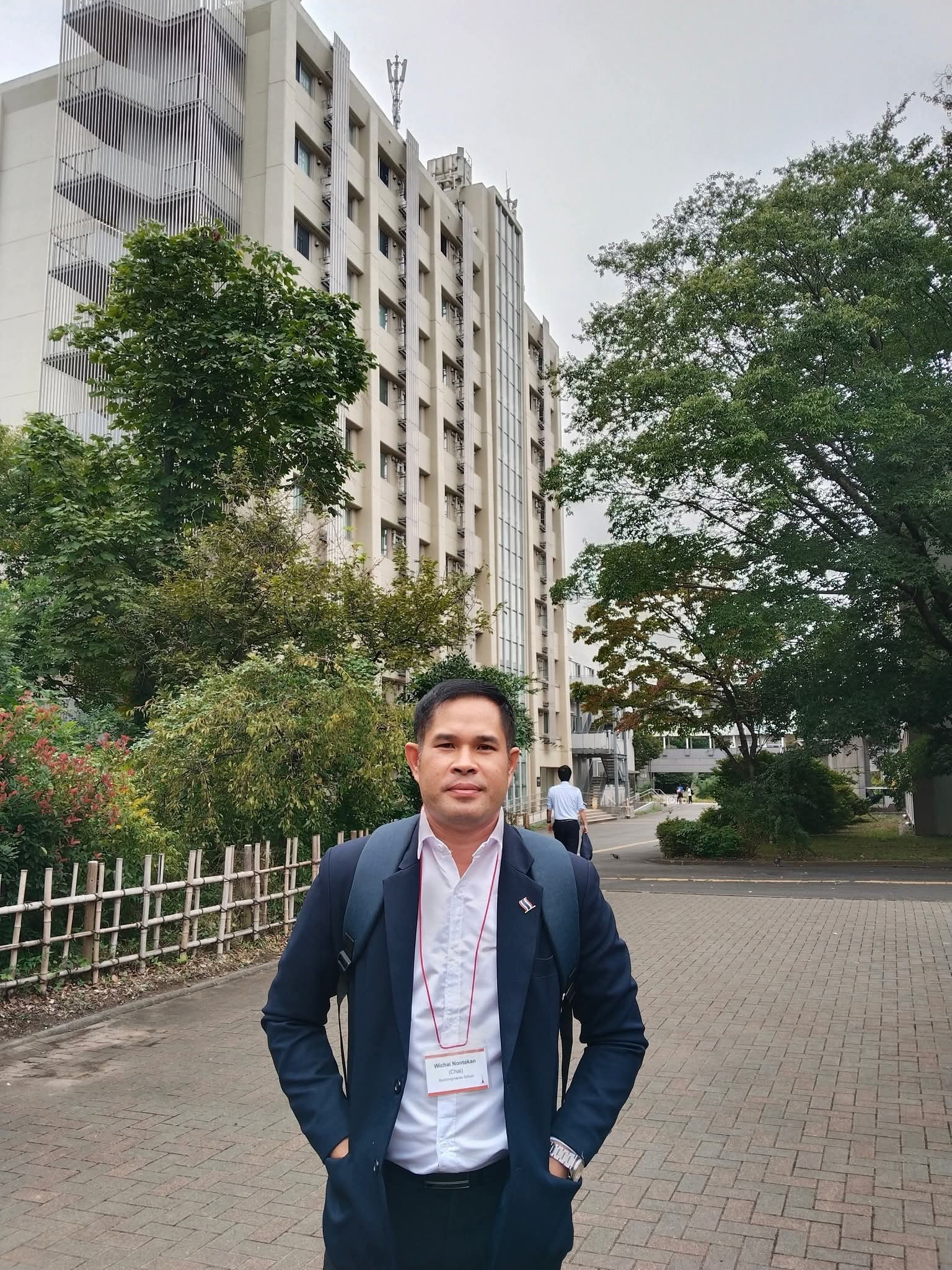
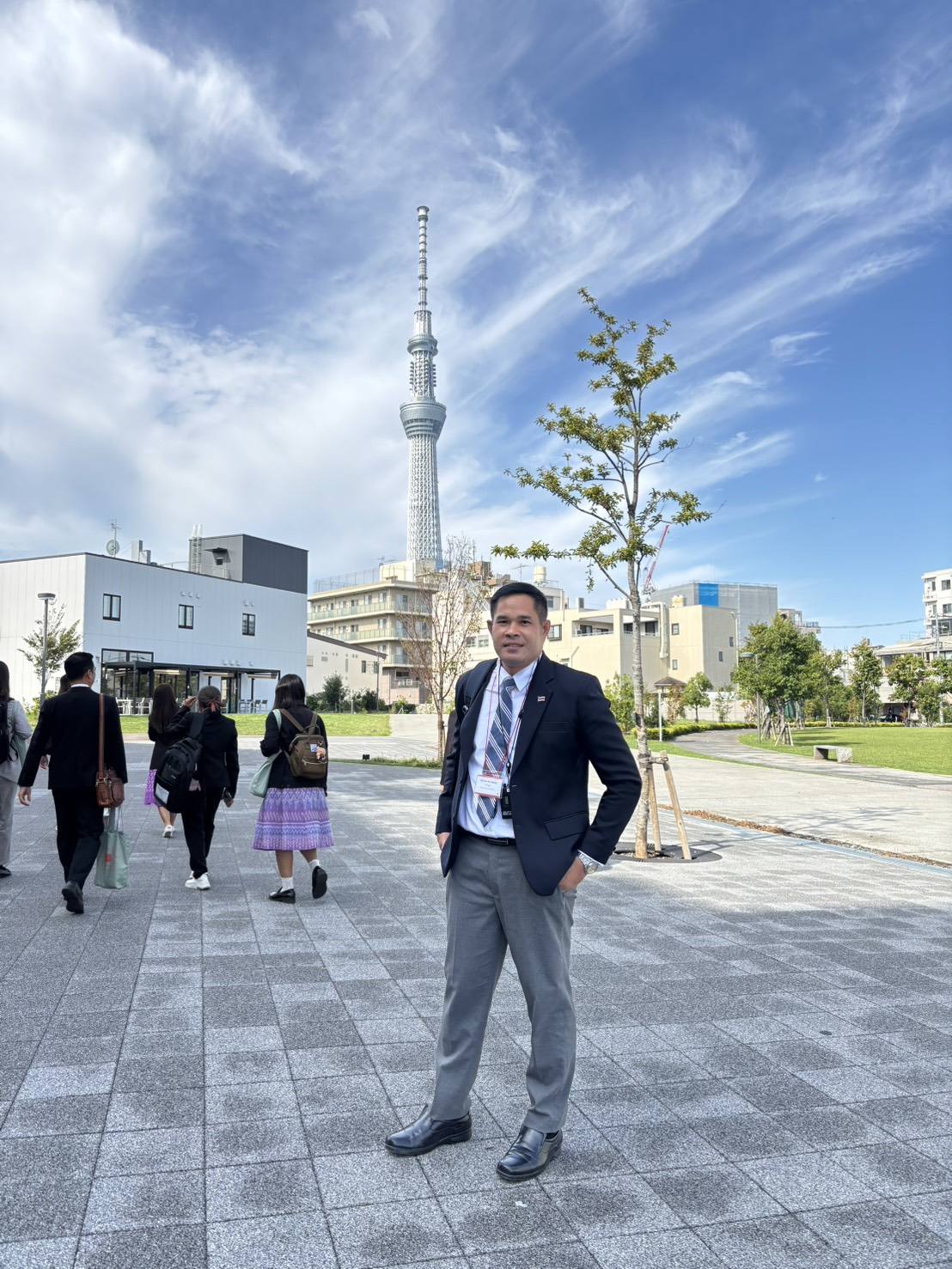
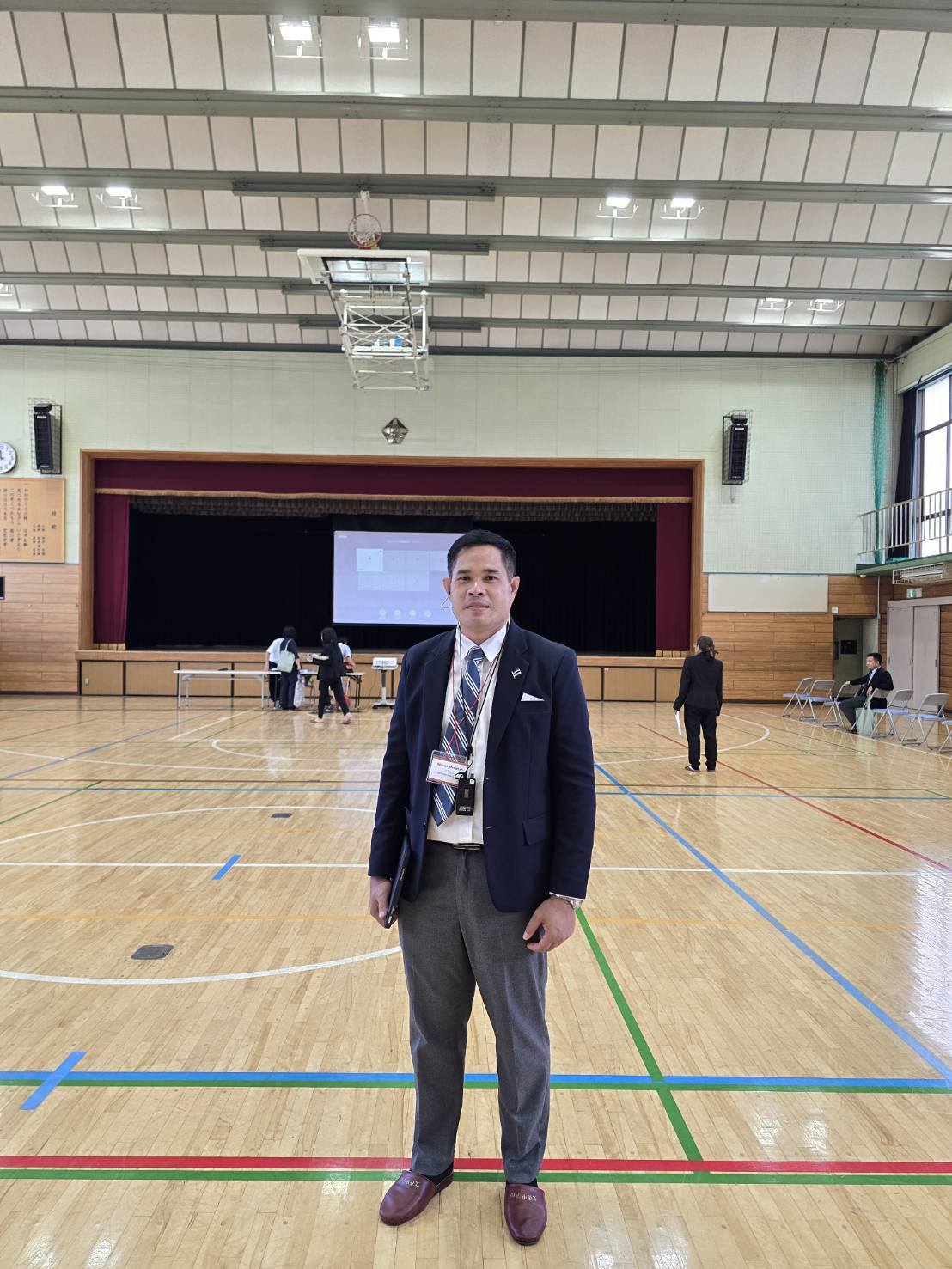
1. Key Learnings and Outcomes from the Program
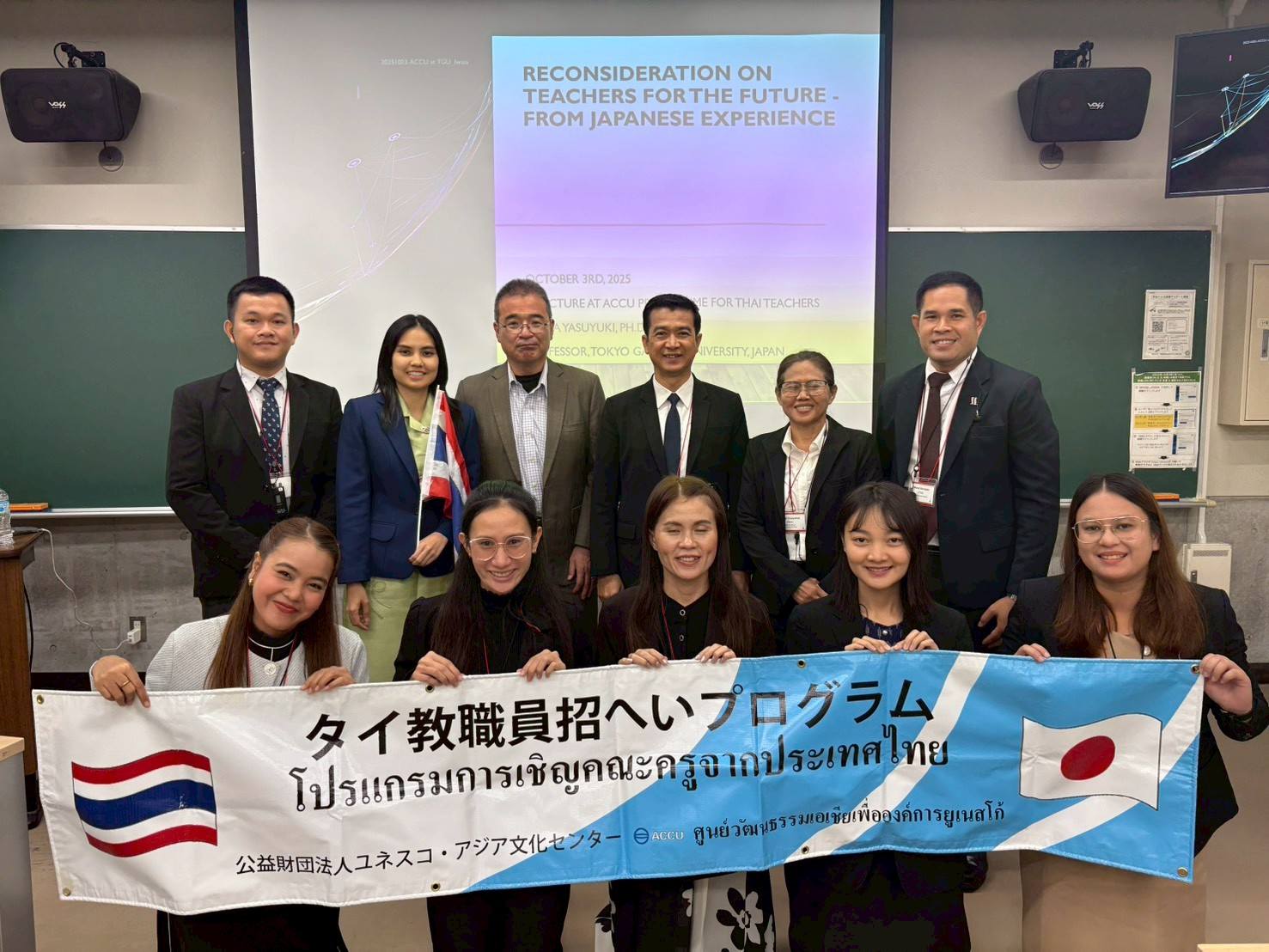
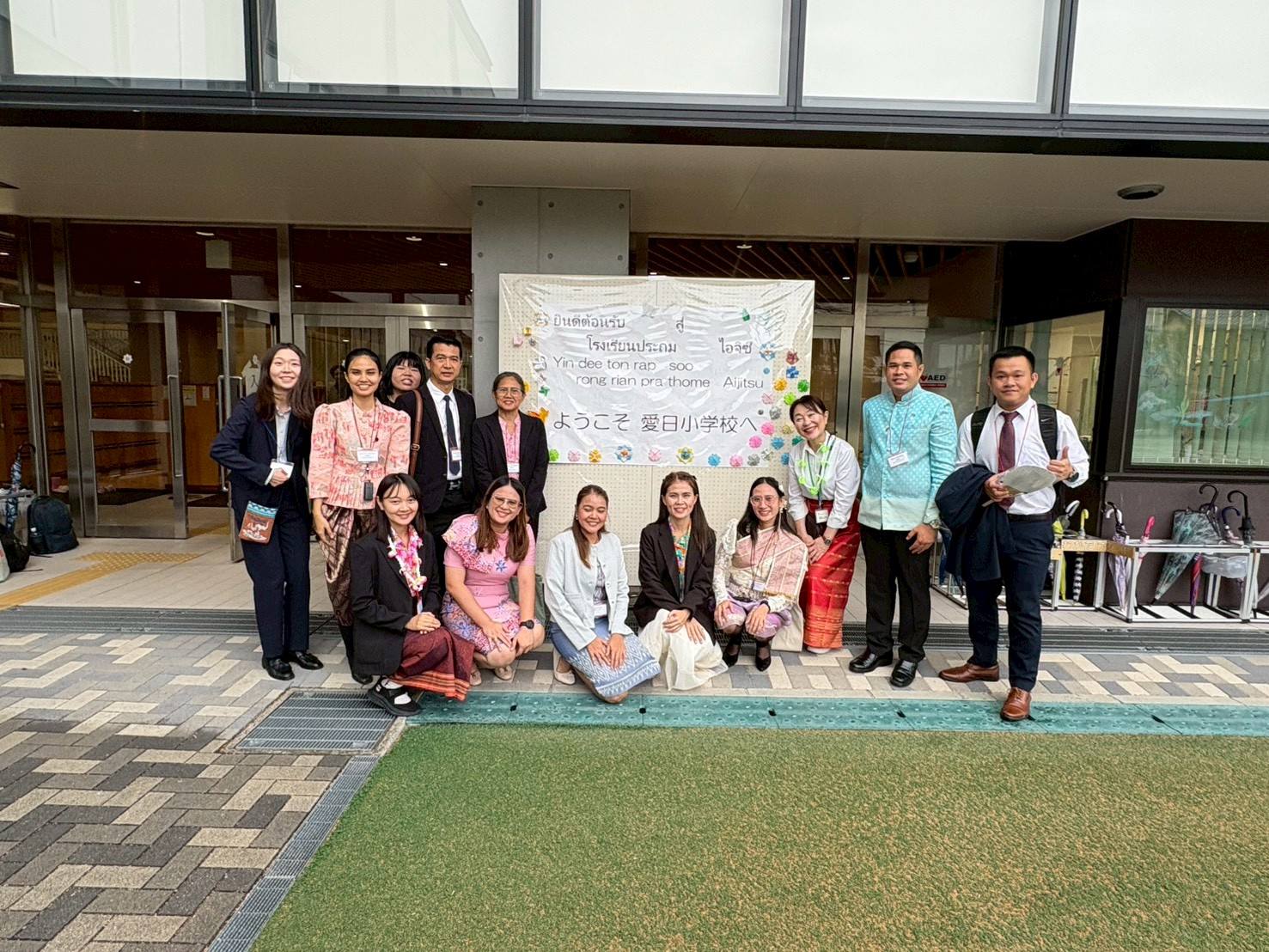
- The 11th International Educational Exchange Program (Thailand–Japan) was held under the theme: "Considering new learning and the qualities required of teachers and educational administrators in a new age." The primary objective was to exchange pedagogical concepts, specialized knowledge, and educational best practices between teachers and administrators from both nations. This initiative aimed to foster a mutual understanding of inclusive educational frameworks, ensuring equitable access to quality education for all learners.
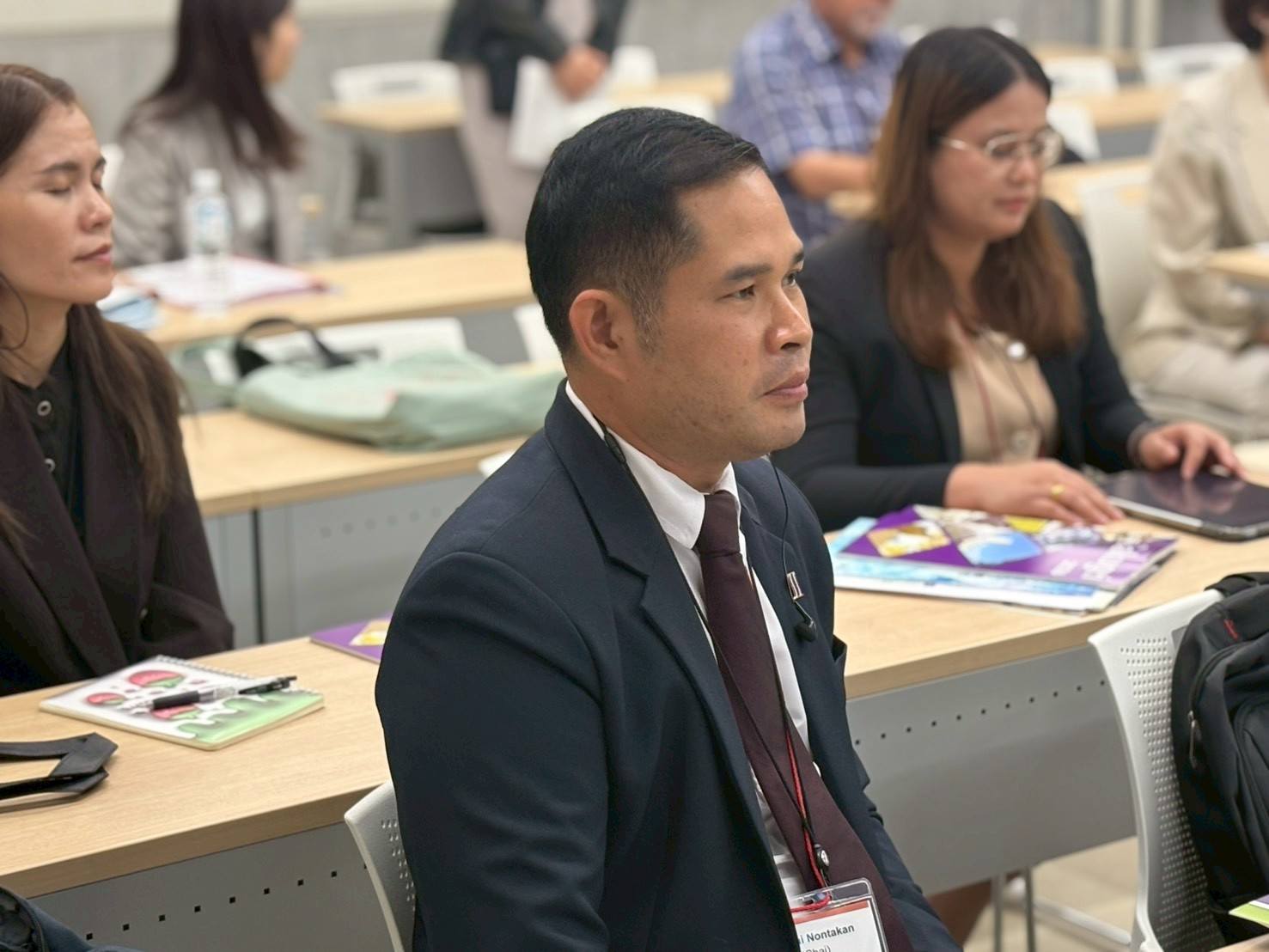
- The program activities were categorized into four subgroups to facilitate in-depth discussion and the sharing of diverse perspectives: Morning Session: A seminar focused on exchanging direct experiences in learning management, school administration, and educational policy support. This provided a platform for Thai and Japanese educators to share insights and viewpoints openly. Afternoon Session: Group presentations of discussion outcomes to synthesize key points and innovative ideas. These conclusions are designed to be practically adaptable within the specific educational contexts of both countries.
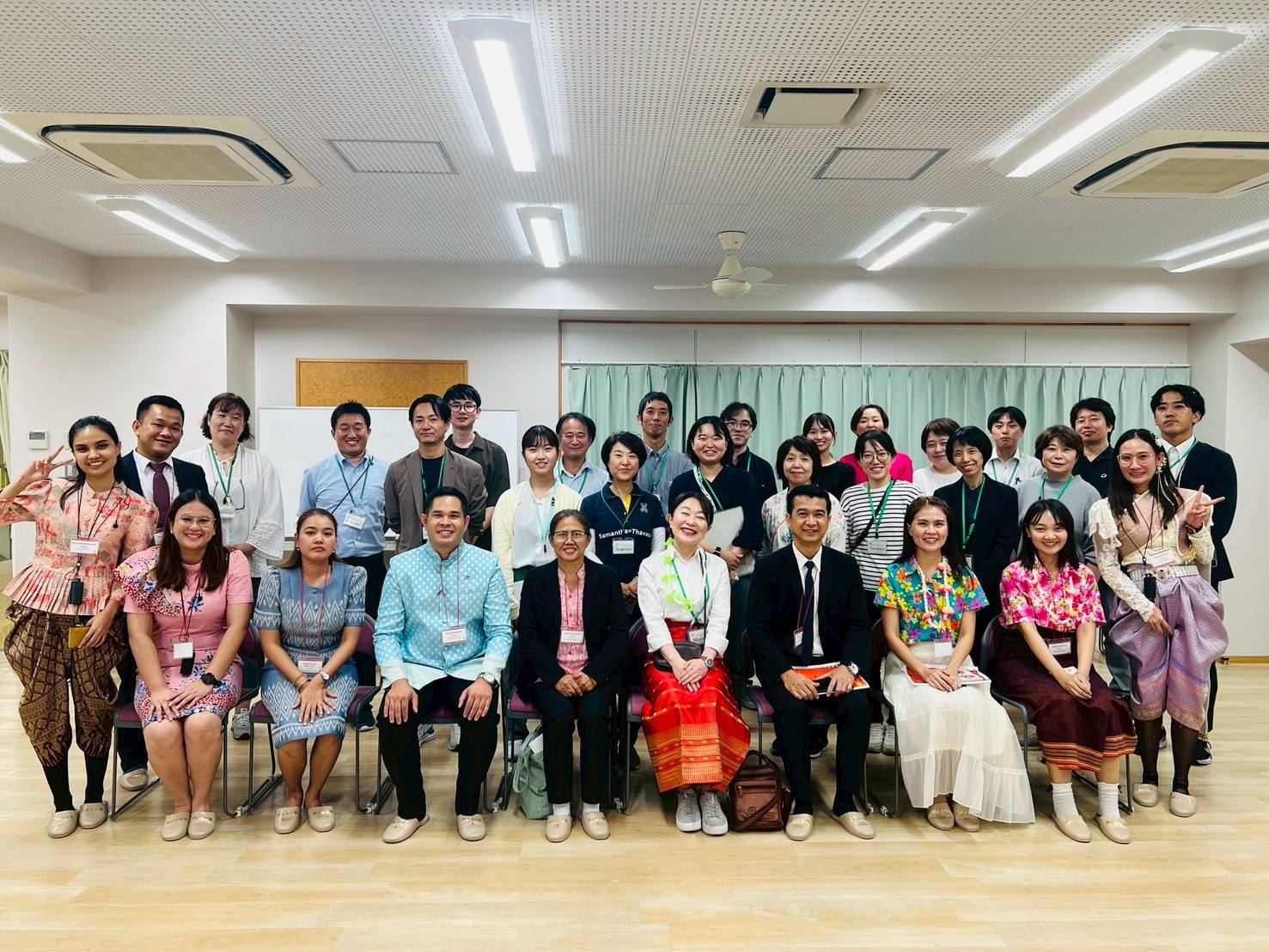
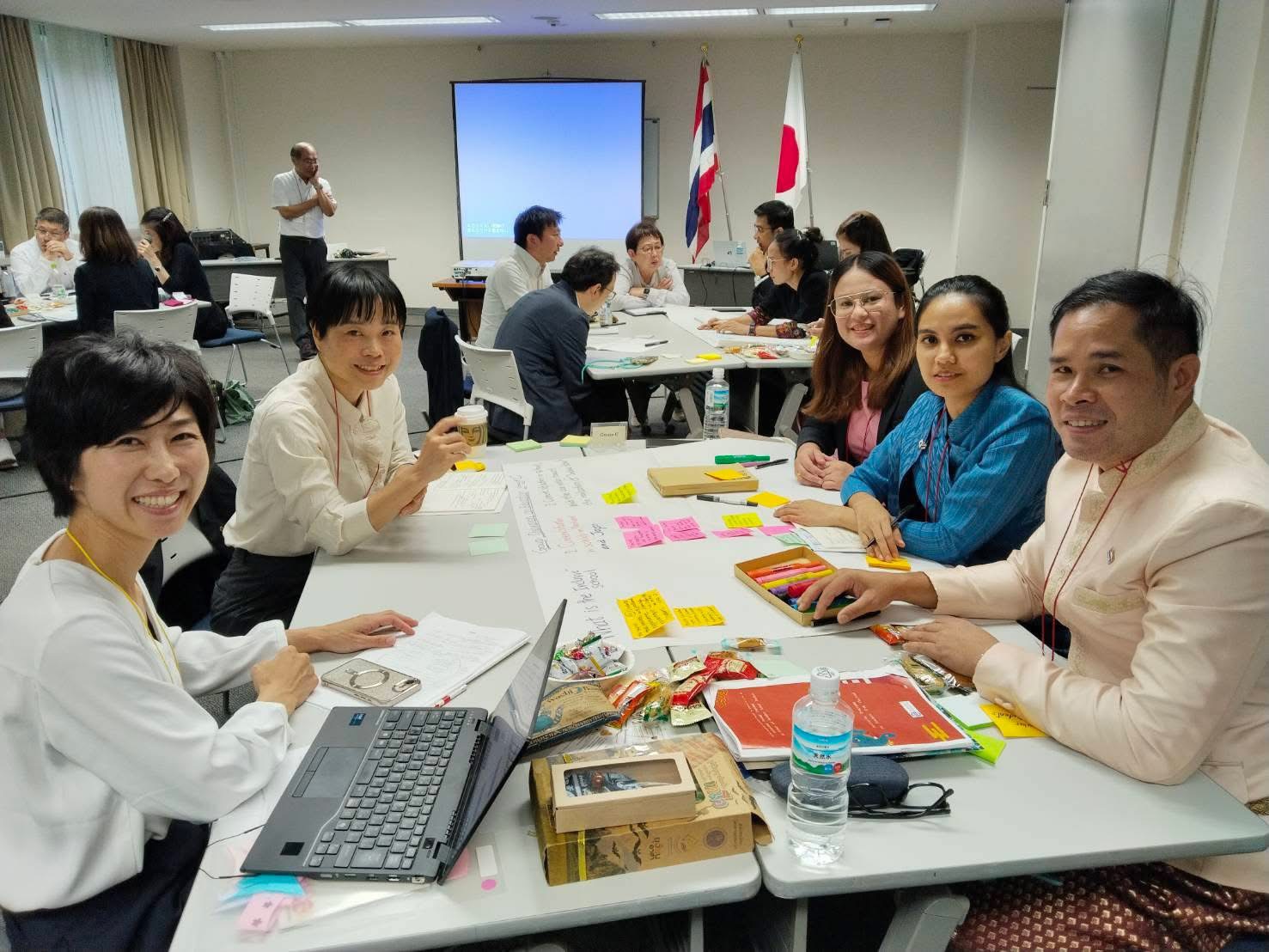
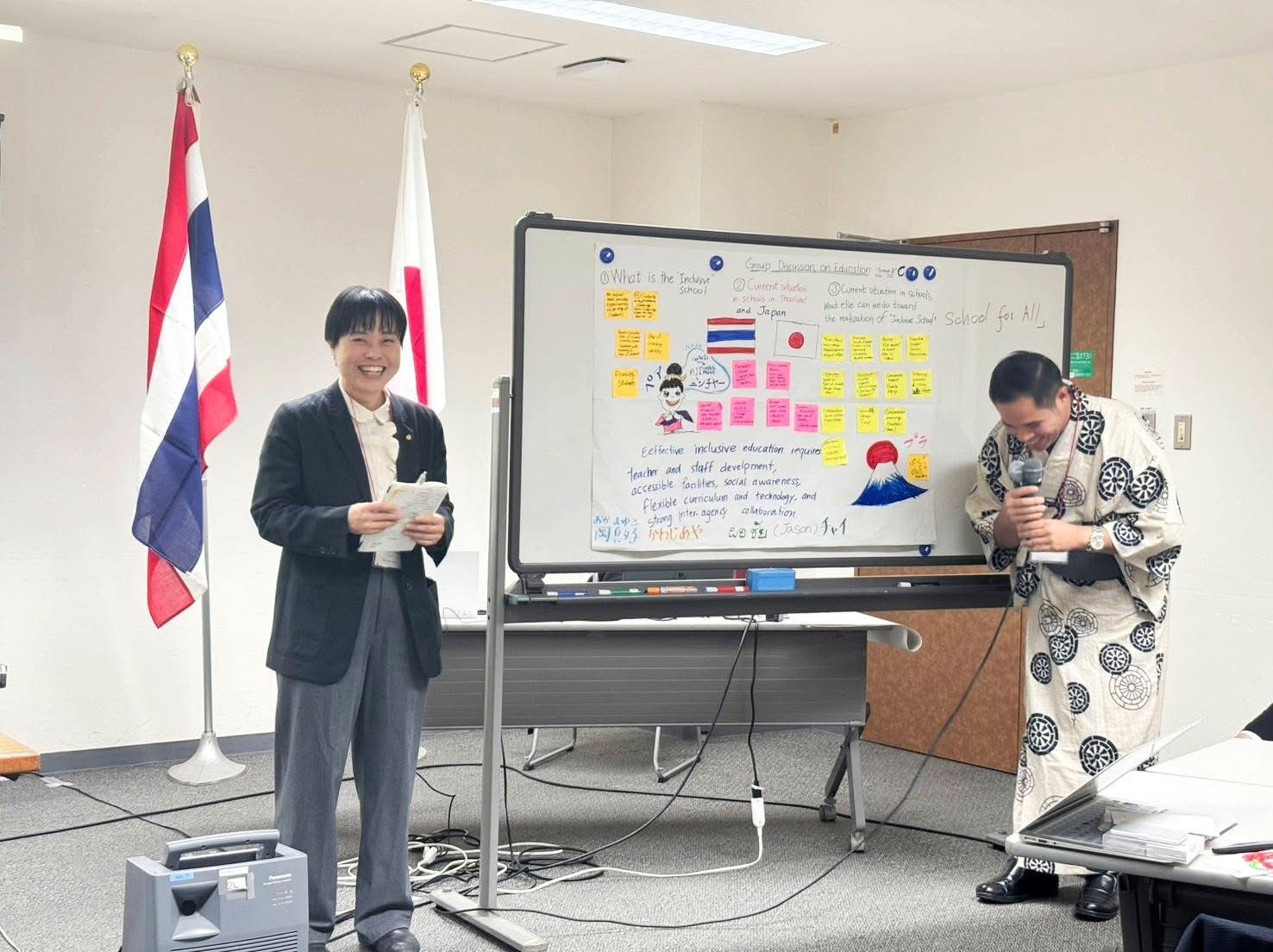
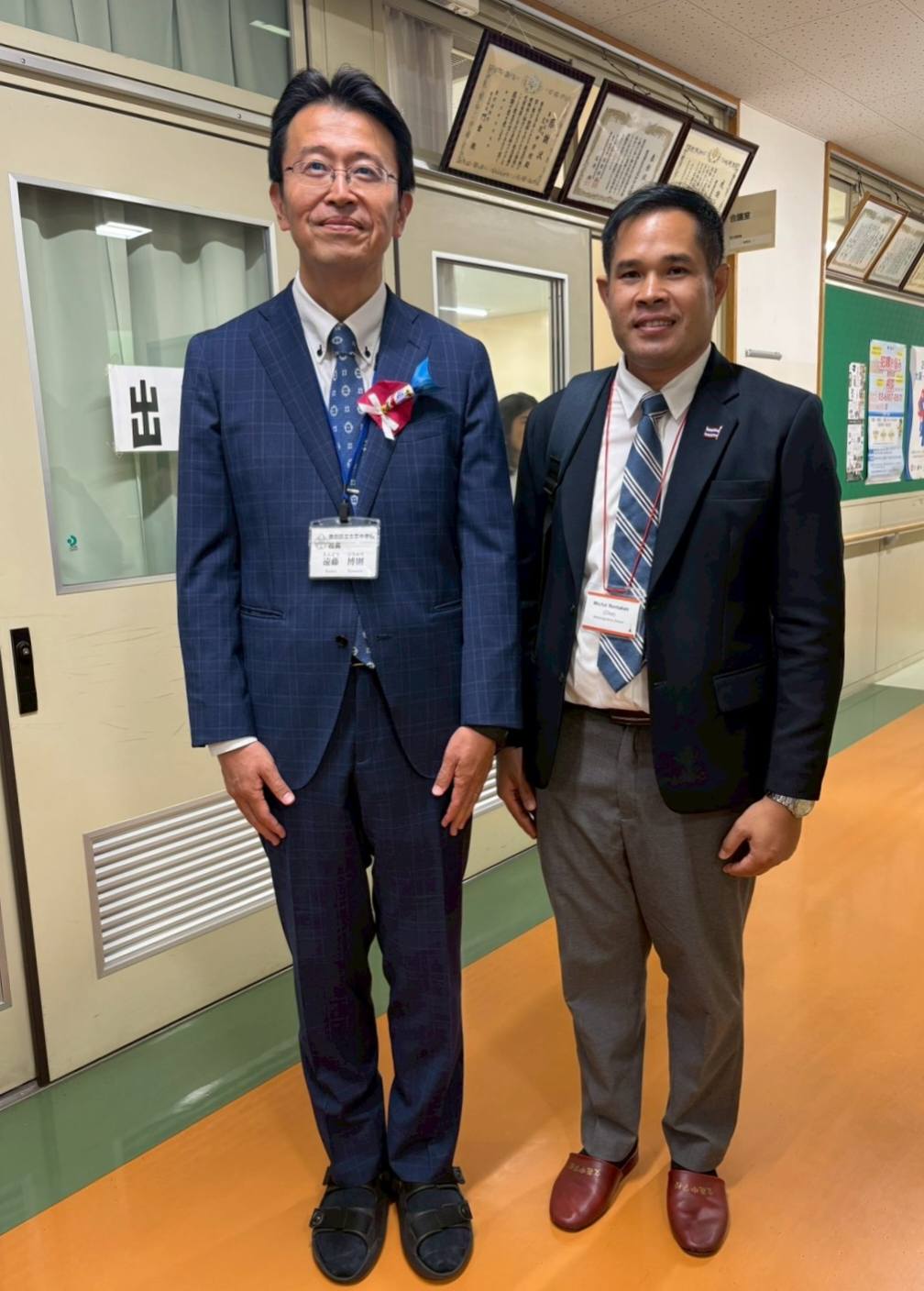
- Personal Insights and Reflections Beyond the pedagogical knowledge and case studies gained from both schools, this program profoundly allowed me to witness the "Spirit of Teaching" embodied by Japanese educators. Their commitment is reflected in their remarkable discipline, sense of responsibility, and dedication to continuous self-improvement. Japanese teachers demonstrate an unwavering determination to develop every child, prioritizing the balance between the joy of learning and the cultivation of discipline and mutual respect. At the same time, the Thai delegation—myself included—shared our core strengths with our Japanese counterparts: the concepts of "Positive Teacher-Student Relationships" and "Classroom Flexibility." These elements are vital pillars of the Thai educational system. In conclusion, this participation was far more than a professional exchange; it was a cross-cultural learning journey that has broadened my horizons and provided new perspectives for future educational development.
2. Most Impressive Aspects of the Program
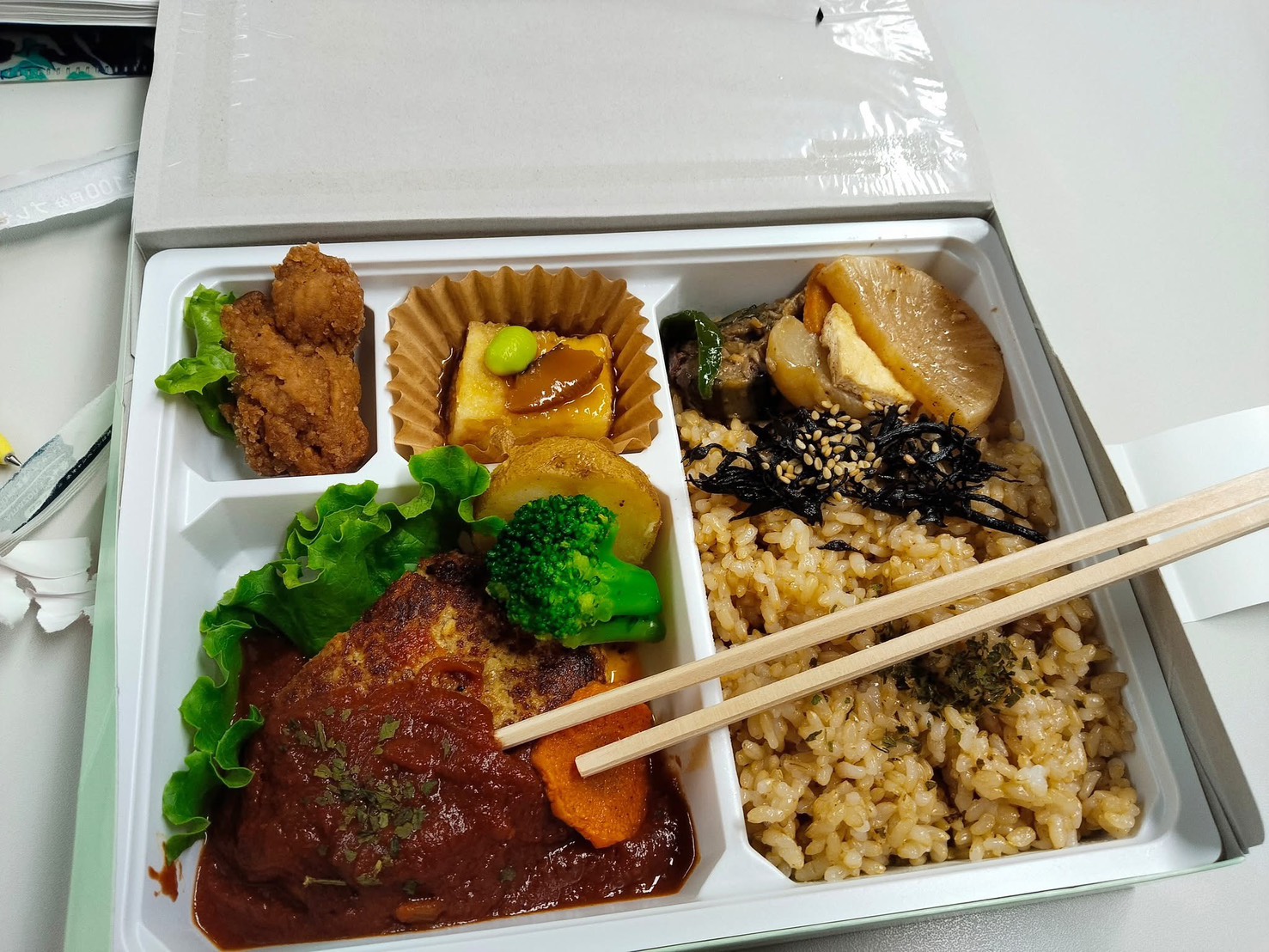
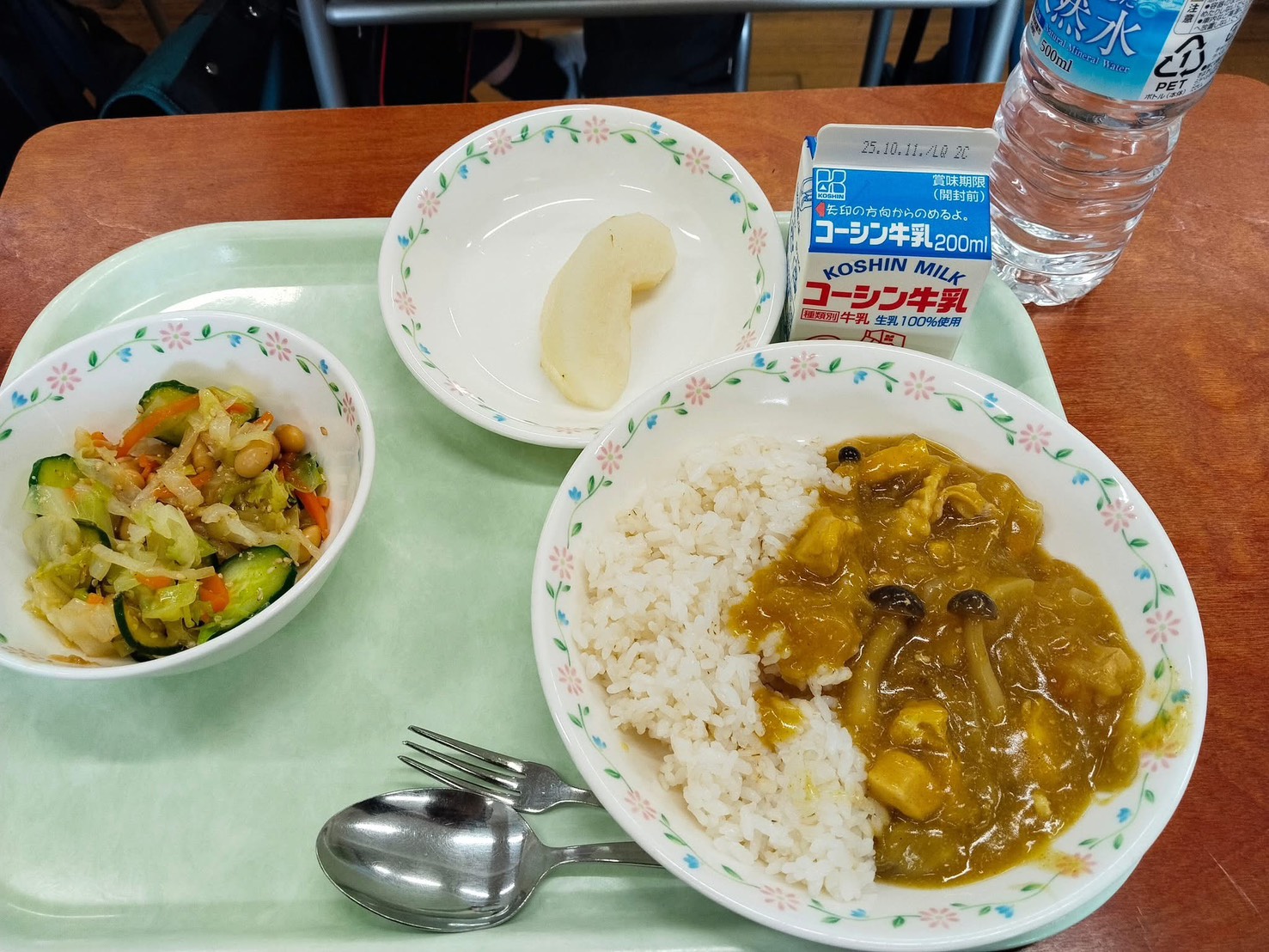
- The aspect that impressed me most was the Japanese work culture and mindset, which are characterized by exceptional discipline, punctuality, and a profound sense of responsibility at every stage. I observed a serious commitment to even the smallest details, both in daily life and within the educational sector. In particular, I was inspired by their holistic approach to well-being, specifically their meticulous attention to health and nutrition. This reflects a "Culture of Quality" that is deeply rooted in the Japanese spirit—a belief that excellence in education and life begins with a disciplined mind and a healthy body. This dedication to quality in every dimension is a powerful example that I hold in high regard.
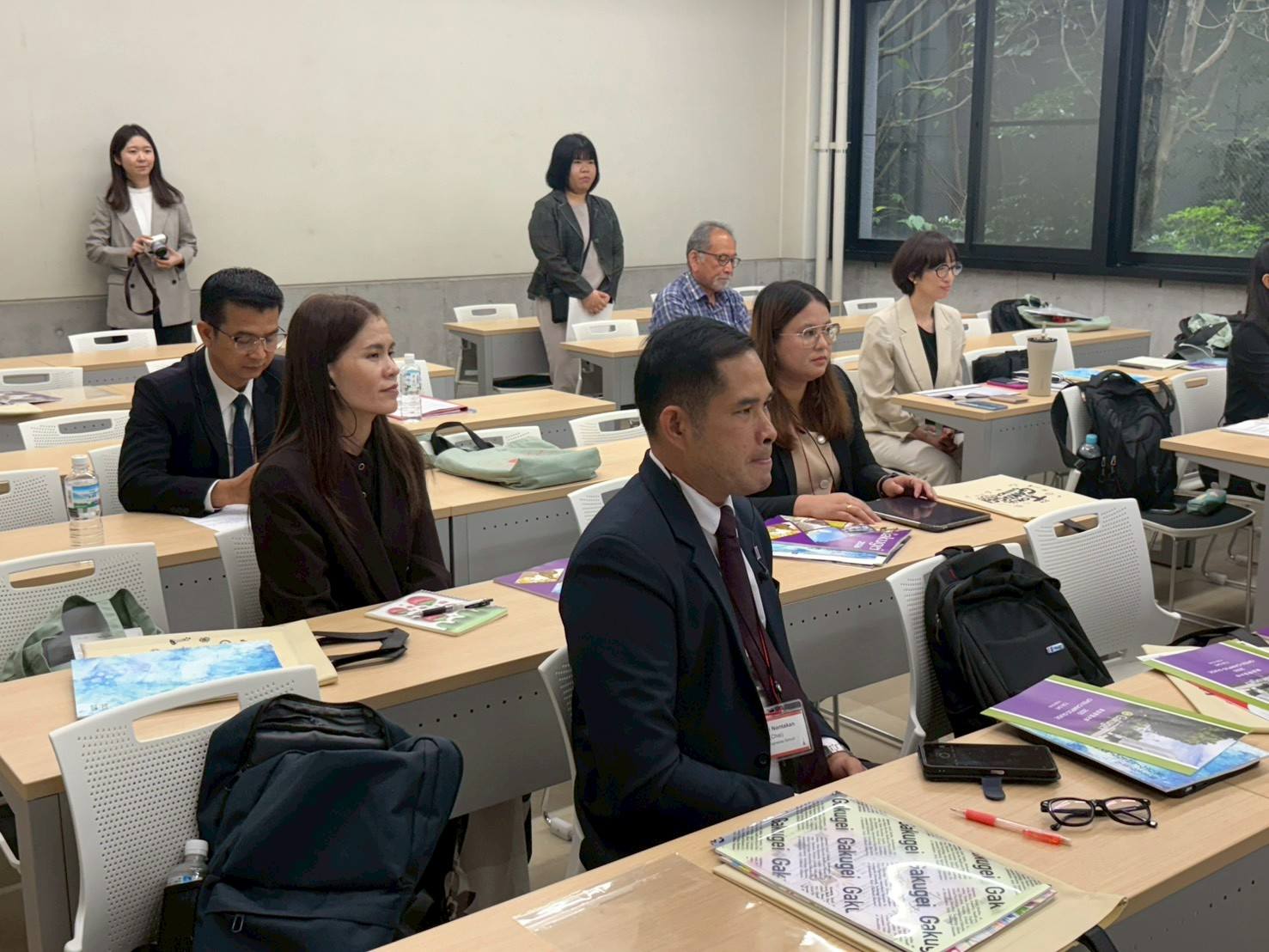
- This exchange has enabled me to further develop 'Culturally Responsive Teaching' skills, highlighting the importance of understanding each learner's unique context. It has also provided insights into teaching within diverse societies under the framework of Global Competence, an essential quality for educators in the modern world.
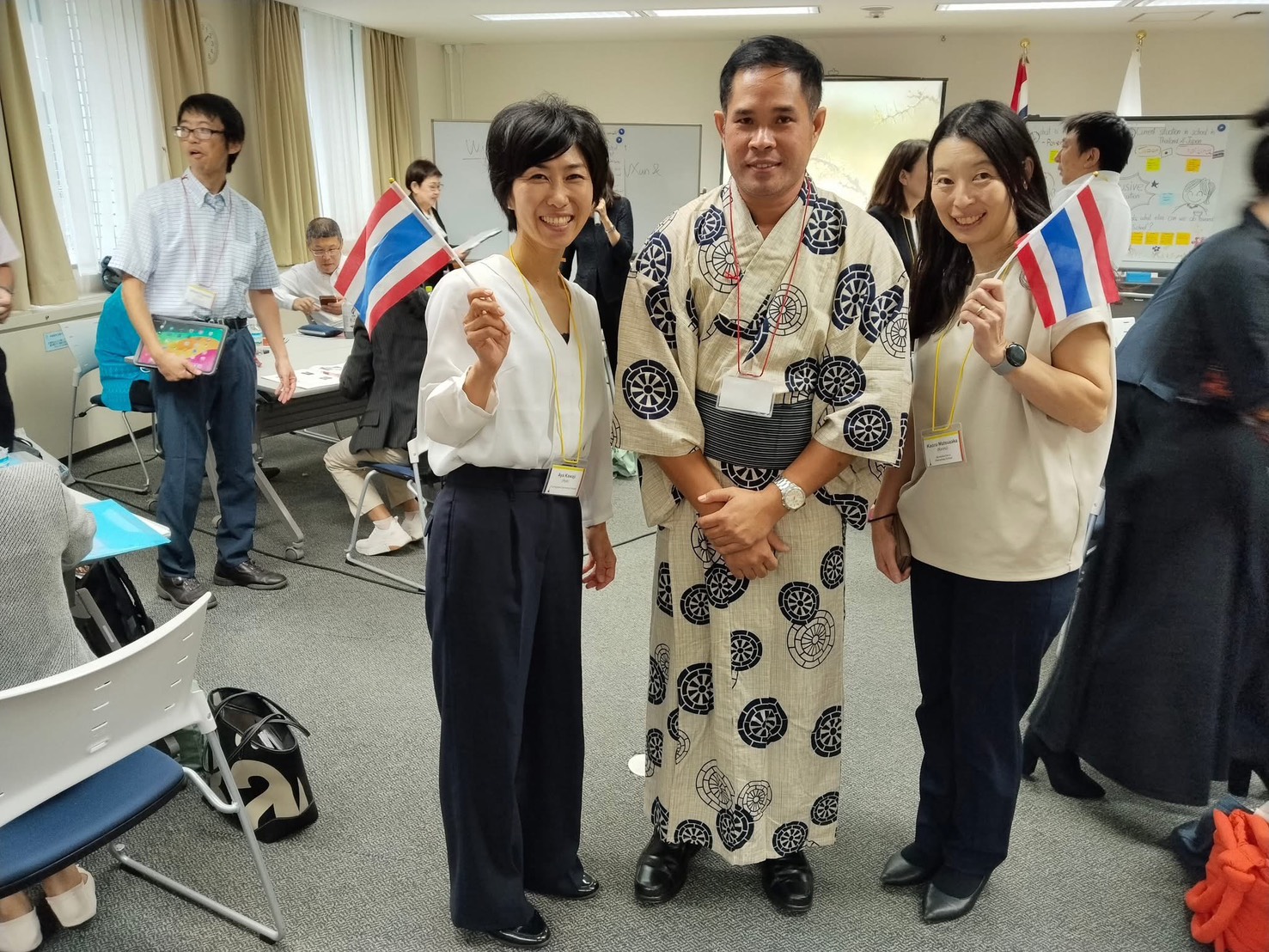
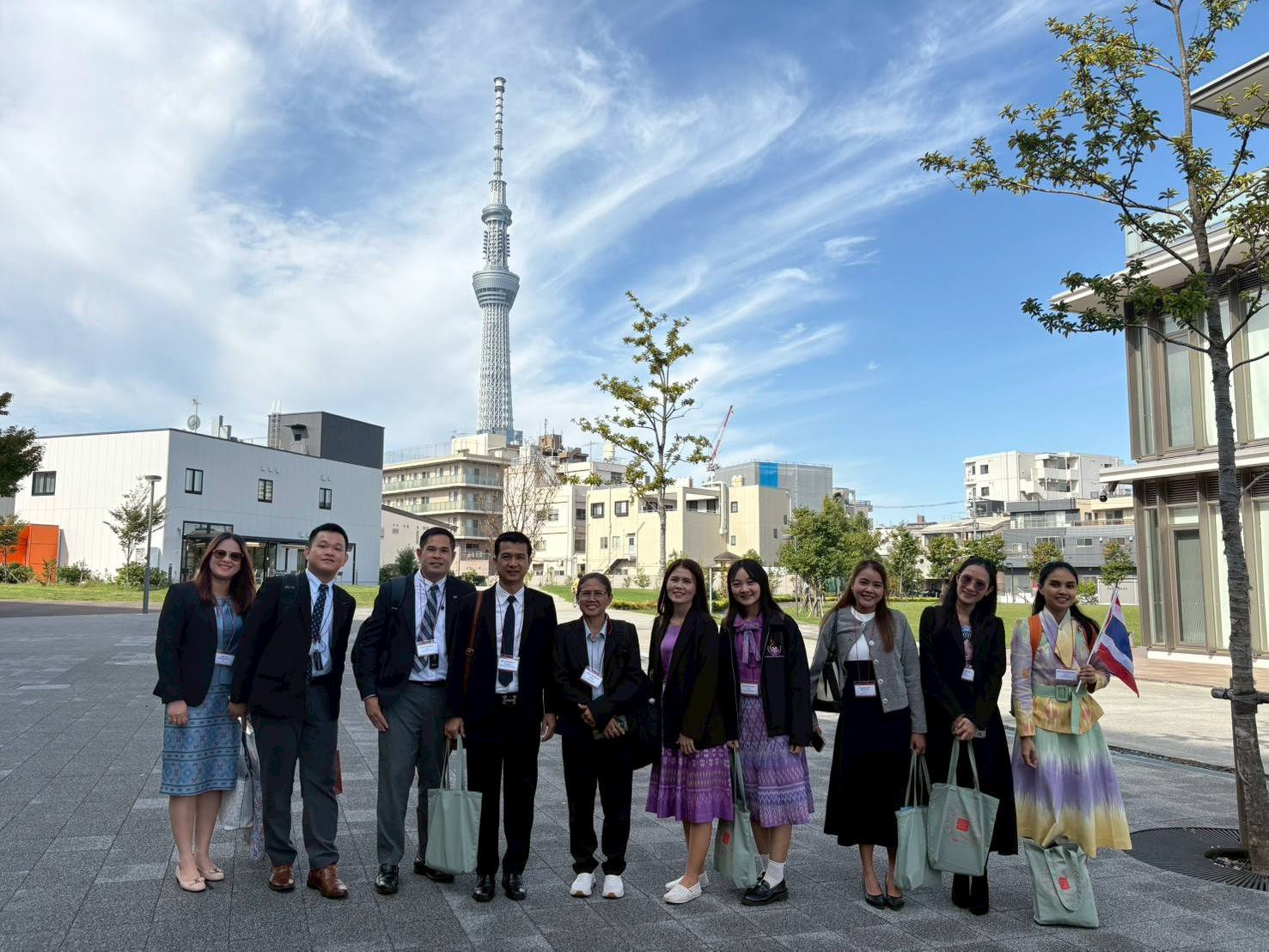
- Lastly, I am deeply impressed by the Thai team’s collaboration, which led to the successful completion of our mission. Our bond, built on love and unity, has established a strong professional network for future cooperation. I would also like to express my sincere gratitude to Mr. Kevin for his unwavering support and guidance throughout the entirety of this project.
3. Additional Recommendations for the Project
- The project was exceptionally well-organized in terms of both content and activities, providing immense value to all participants. However, I believe that providing pre-departure orientation, such as basic Japanese language and cultural training, would foster deeper and more effective engagement. Furthermore, a follow-up program should be established to ensure that participants can effectively implement their experiences in their respective schools and share this knowledge with colleagues, thereby ensuring the long-term sustainability of the project's impact
Conclusion and Final Reflections
- Participating in this International Educational Exchange Program (Thailand–Japan) has been an invaluable experience that I will cherish forever. Beyond learning about Japan’s highly effective educational practices, I had the privilege of witnessing the beautiful 'Spirit of Teaching' shared by educators from both nations. This journey has given me a profound understanding that a 'Quality Education' is not defined solely by academic excellence; rather, it is about nurturing individuals to become lifelong learners who are responsible, respectful of others, and capable of living harmoniously amidst diversity.
- I am deeply proud to have been a part of this exchange program. I am committed to integrating all the knowledge and insights gained to develop my students and school, ensuring that Thai education progresses with stability and sustainability."
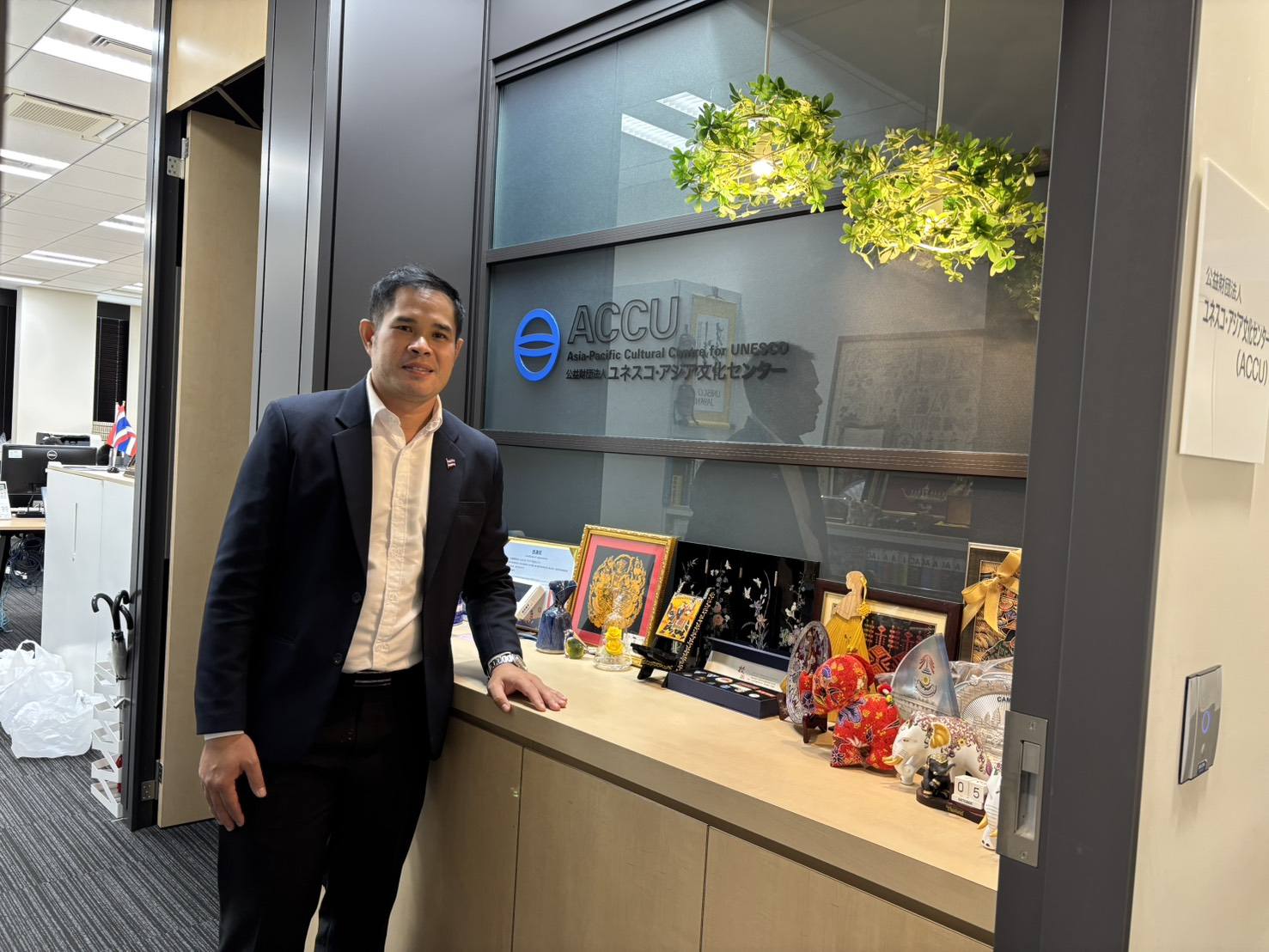
- "I would like to express my deepest gratitude to the Bureau of International Cooperation, Office of the Permanent Secretary, Ministry of Education, Thailand; the Ministry of Education, Culture, Sports, Science and Technology of Japan (MEXT); and the Asia-Pacific Cultural Center for UNESCO (ACCU) for granting this invaluable opportunity to me and our delegation.
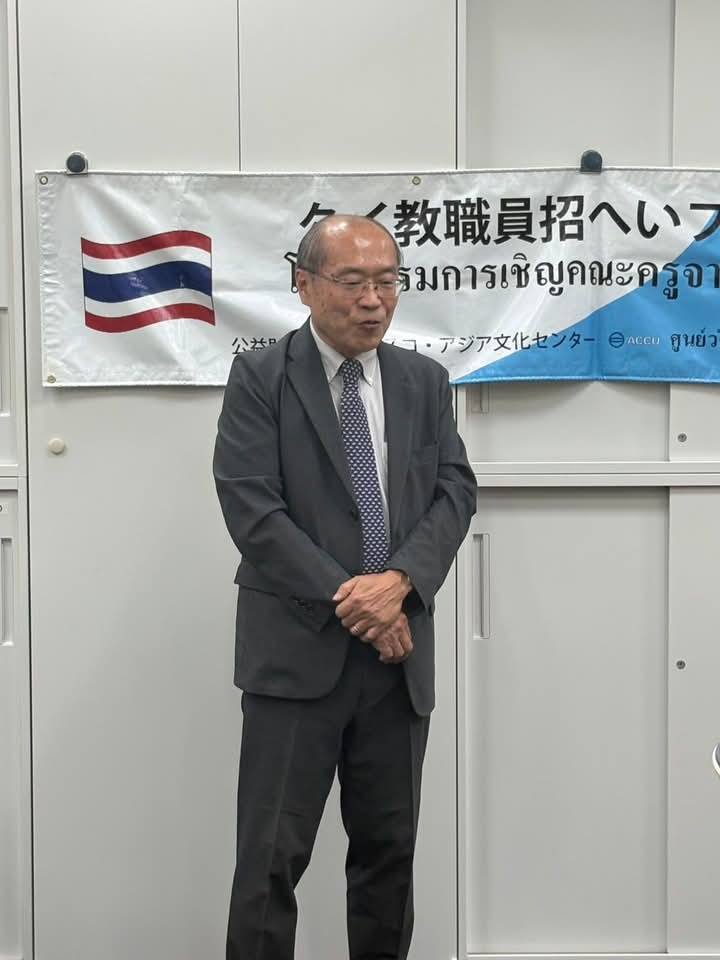
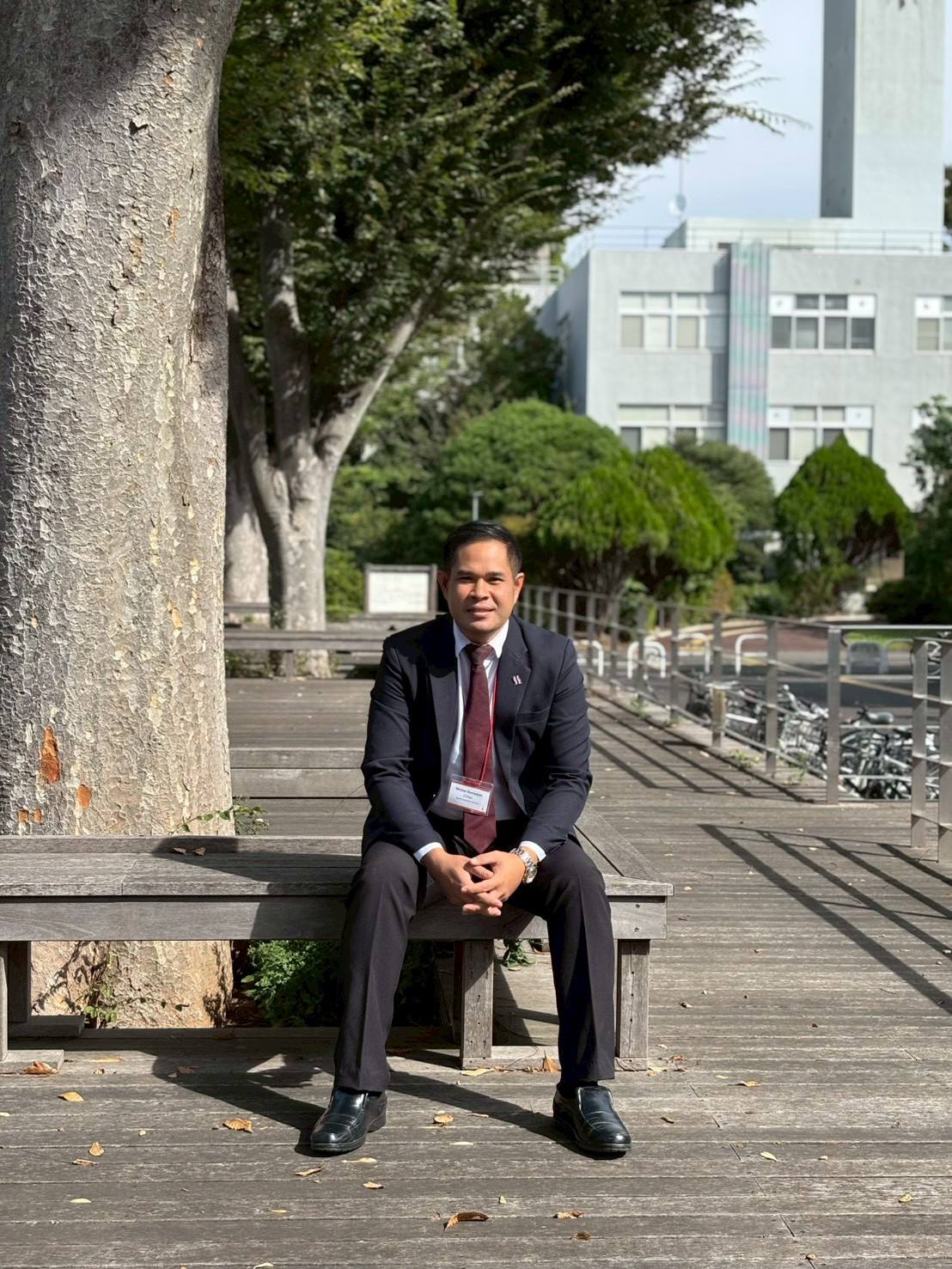

BKM
Blog Category
Latest
-
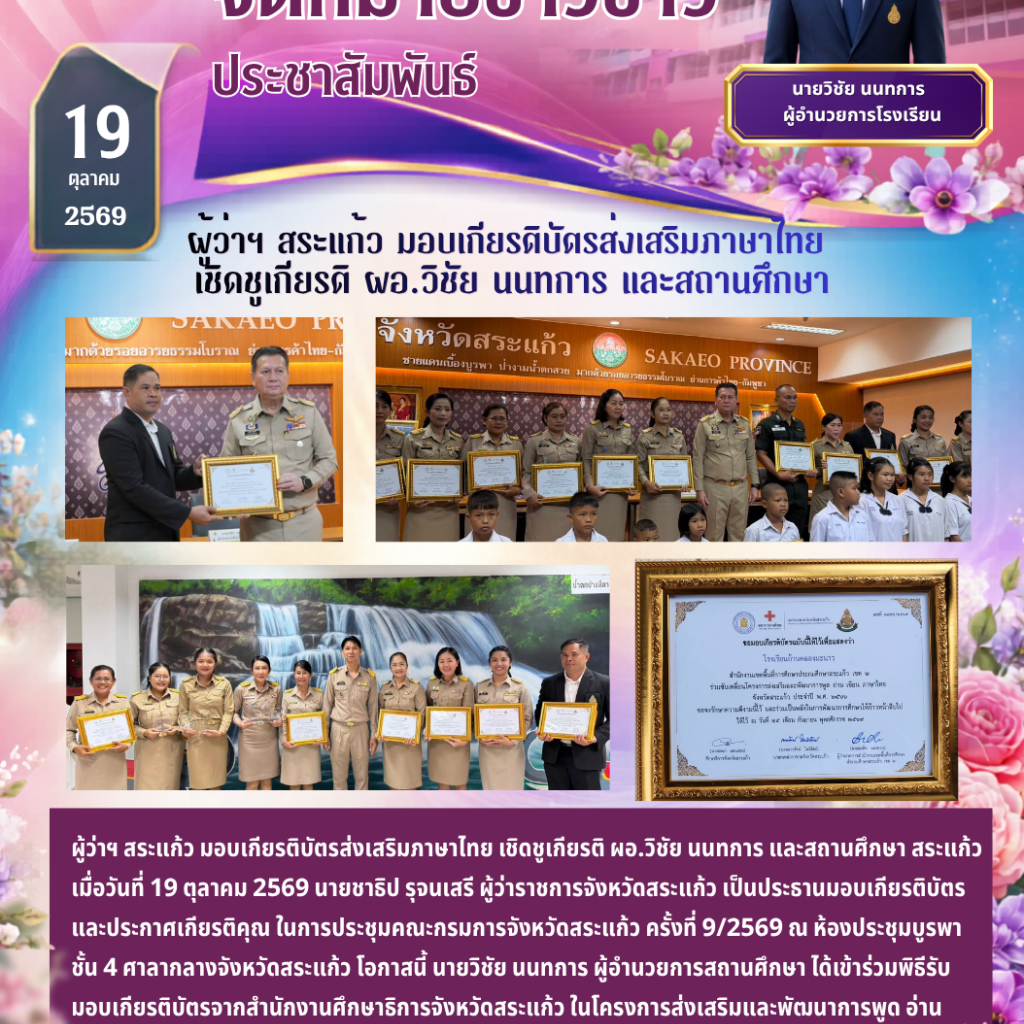 Sakaeo Governor Presents Thai Language Promotion Certificates Honoring Director Wichai Nonthakan and the School **Sakaeo Governor Presents Thai Language Promot...
 -
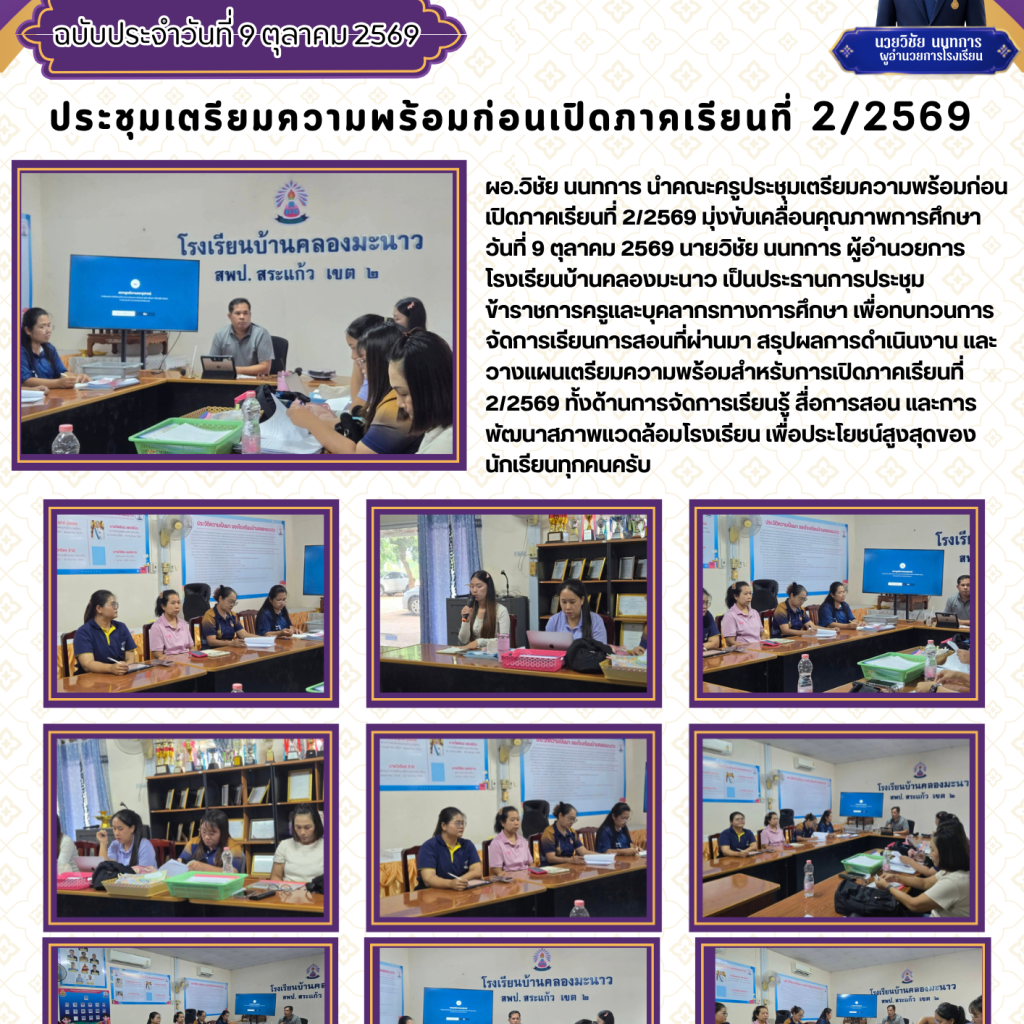 Preparatory Meeting for the Opening of the Second Semester of the 2026 Academic Year Director Wichai Nonthakan Leads Teachers in Pre...
 -
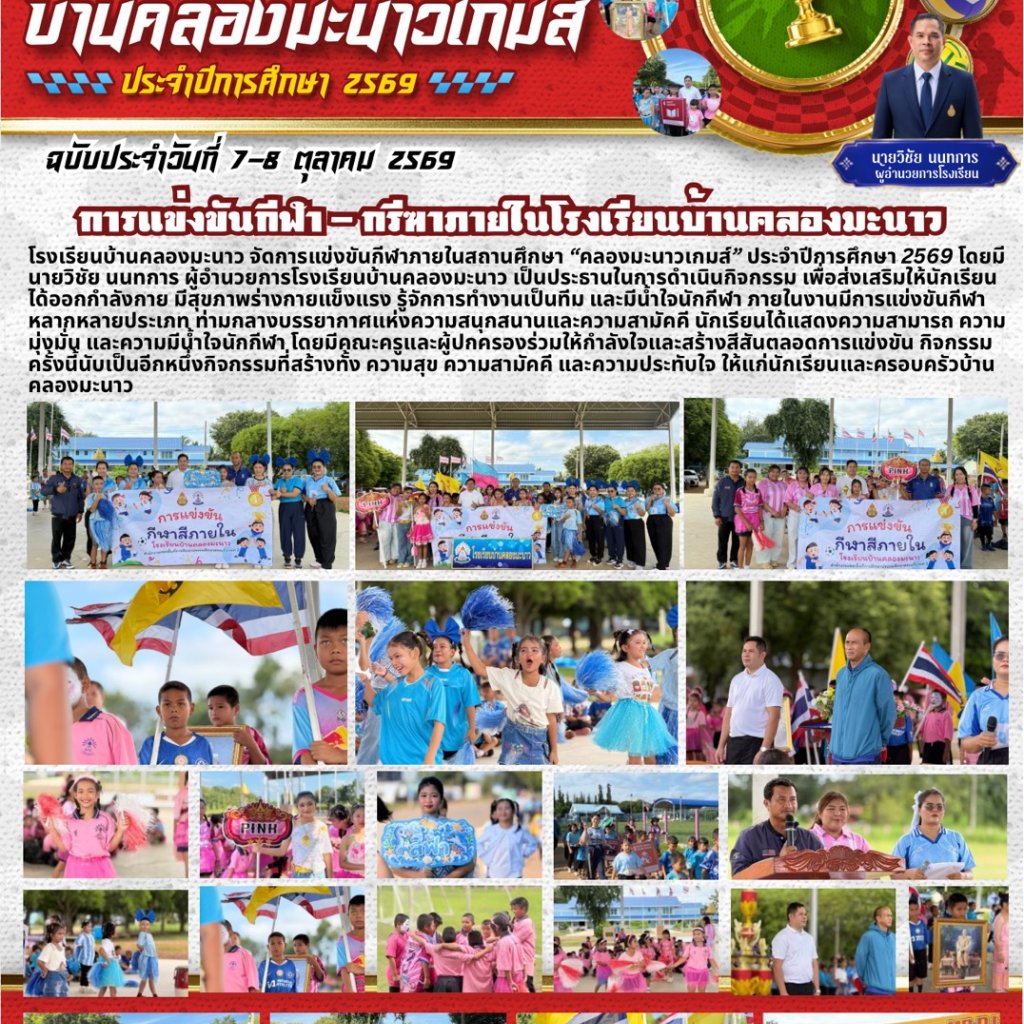 Ban Khlong Manao School Sports and Athletics Competition Ban Khlong Manao School held its annual interna...
 -
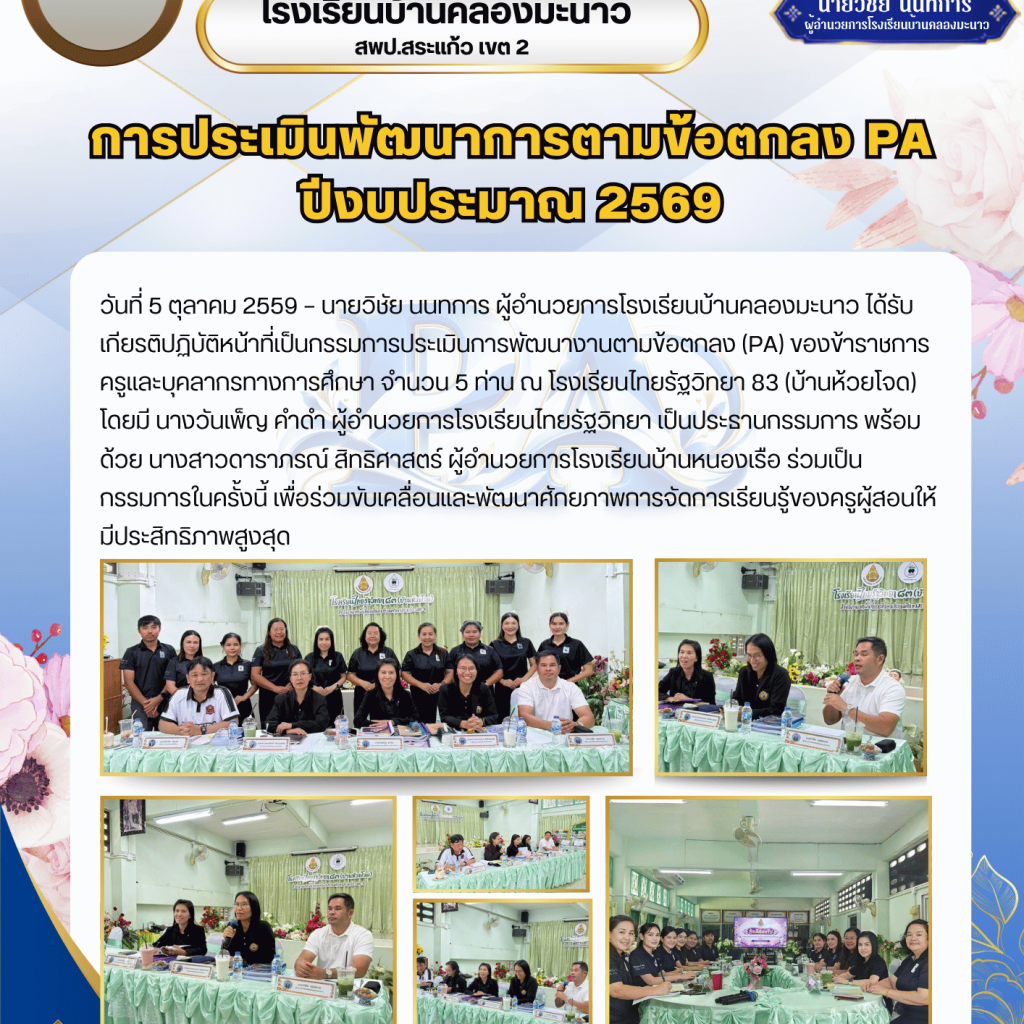 PA Performance Evaluation for Fiscal Year 2026 **On October 5, 2026, Mr. Wichai Nontakan, Dire...
 -
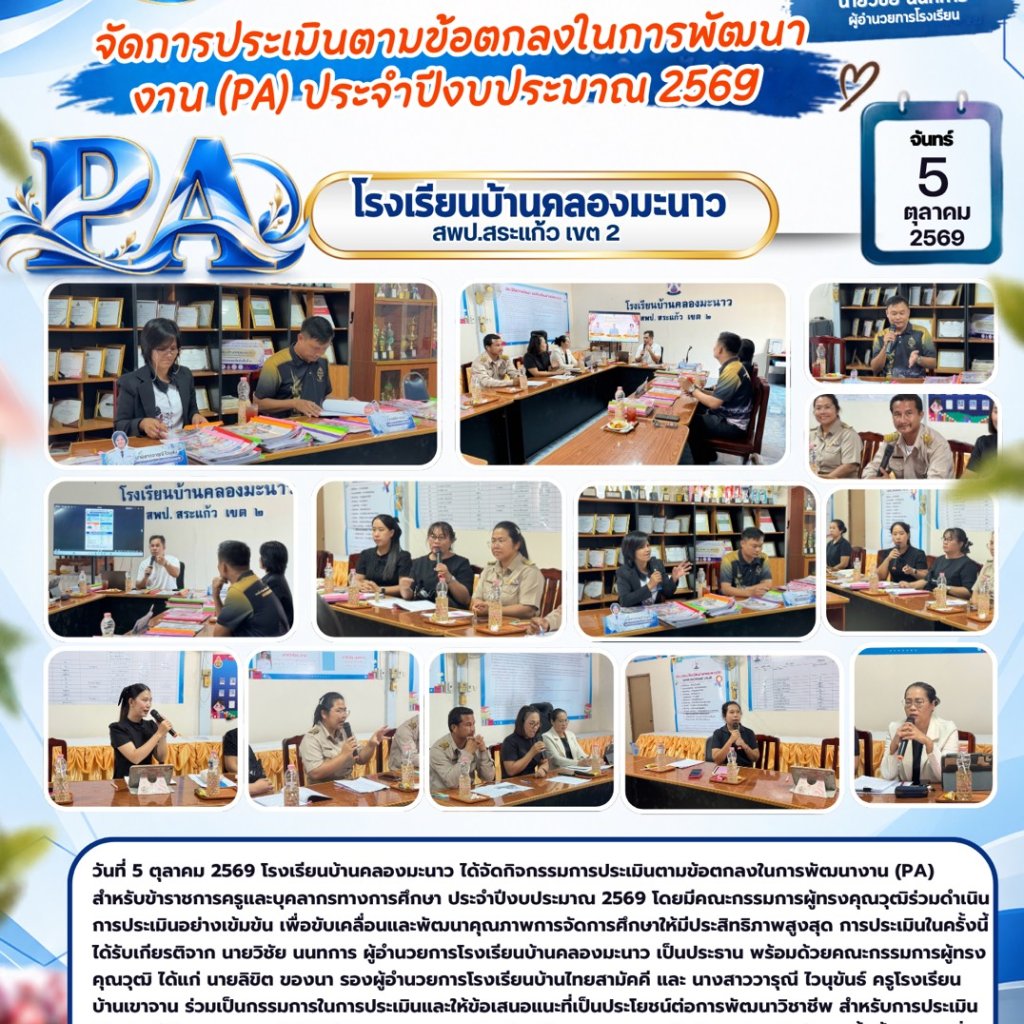 Performance Agreement (PA) Evaluation Fiscal Year 2026 **On October 5, 2026, Ban Khlong Manao School o...